Cellulose

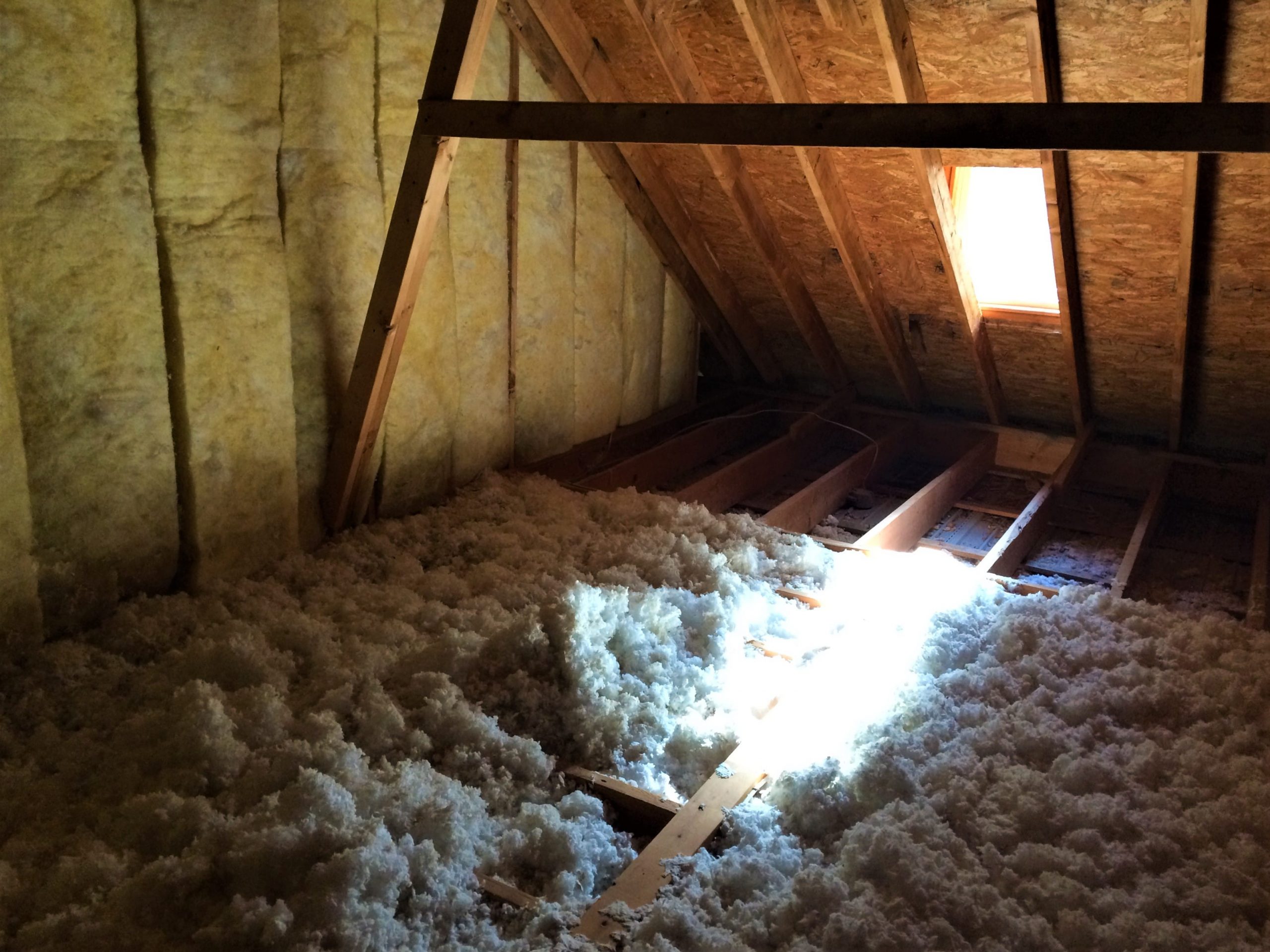
Cellulose insulation Is a kind of wood- or paper-based item. It’s used to fill empty spaces at the structural portion of a home to slow down the transmission of cold or heat. Cellulose insulation is thick, dense, and clumpy, with a consistency much like feathers. The chief value of the shape and dimensions is the insulating material can match in enclosed spaces (like walls) and can conform around obstructions such as wires and ducts (found either in walls and in attics).

Cellulose insulation can come from any mobile plant Source, like corncobs or sisal. But commercial cellulose insulations Are generally derived from wood, and more specifically from paper: Recycled papers, cardboard, office paper, and other common waste Paper products. For this reason, cellulose insulation is considered an Eco-friendly home merchandise.

Loose-fill cellulose insulation can settle about and conform to the majority of the obstructions found in walls and attics.

Loose-fill cellulose is relatively cheap, yet still has an R-value of about 3.5 percent of thickness, compared to fiberglass’ R-value involving R3 to R4 per inch.

When walls have been already completed, injecting loose-fill cellulose insulation is one of the few ways of adding insulation. 1 alternative is to pull the drywall and utilize fiberglass batts.

Cellulose insulation stands up fairly well against insects and vermin because it is treated with boric acid.

For attics, the joists are often accessible and open and thus could be coated with either blow-in cellulose or fiberglass batts. But due to obstacles such as wires (and only because of its sheer ease), cellulose insulation is often blown into attics, as well.

Cellulose Insulation vs. Other Forms

With walls that are closed, you have few other choices but to blow in insulation. Unless your house is going through some renovation where the walls are opened up, holes will need to be bored into the insulation and walls injected. Here, the traditional favorite is blow-in cellulose insulation, although spray-in foam is becoming steadily more common.

With open walls, you can install fiberglass roll insulation, even though spray-applied foam insulation is also feasible.

For attics, the joists are often accessible and open and thus could be insulated with either blow-in cellulose or fiberglass batts. However, due to obstacles such as wires (and just because of its utter simplicity ), cellulose insulation is often blown into attics, as well.

Is Blown Cellulose Insulation a Fire Hazard?

Cellulose insulation’s source paper in its raw state is combustible. But during manufacturing, cellulose insulation is treated with borates, which are Class I flame retardants. Class I refers to ordinary combustibles like wood and paper, as opposed to Class II combustibles, including flammable liquids, grease, gasoline, oil, etc..

As a demo of cellulose insulation’s fire-retarding capacity, it’s possible to use a blowtorch to warp a cent resting on a bed of cellulose insulation stored in your hand. Does the cellulose remain unaffected even while the penny starts to melt, but the insulating value of this cellulose is such that no heat is felt by the hand holding the experimentation?
Fiberglass

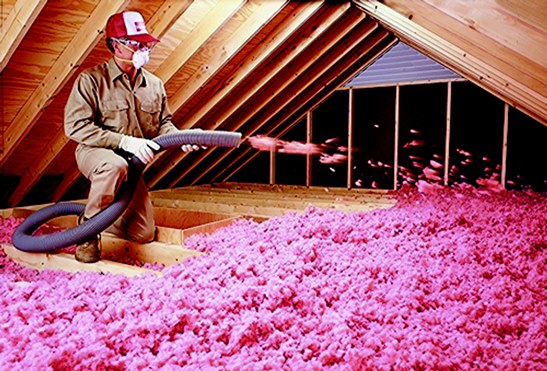
Typically manufactured in two different forms — pre-cut batts and Rolls, and blown-in loose-fill — fiberglass building insulation is used chiefly for thermal and acoustical functions in wall cavities, attics and other critical open spaces in building assemblies. Among its key advantages is worth. Fiberglass insulation has a lower installed price than many other kinds of insulating materials and, for equivalent R-Value performance (i.e., thermal resistance), it is generally the very cost-effective alternative when compared to cellulose or sprayed foam insulation systems.

Let us take a closer look at the thermal performance of fiberglass building insulation.

Thermal performance and energy efficiency

Fiberglass insulation helps make buildings more thermally efficient by better retaining the desirable temperature of enclosed spaces, whether they are heated or cooled. Its thermal performance reduces utility costs for building owners, conserves nonrenewable fuel resources and provides greater occupant comfort (when used along with appropriately sized heating and cooling equipment).

Furthermore, fiberglass insulation Offers design flexibility. Greater levels can be installed in certain sections of a construction to boost overall thermal performance and compensate for regions with reduced thermal values, like windows and doors. It enables a broad selection of R-Values, providing the specifier more options for meeting national and provincial energy requirements.

Ranging from R-8 into R-40, whereas loose-fill fiberglass can be blown-in with pneumatic apparatus to meet almost any R-Value requirement. Blown-in fiberglass insulation can also be installed over existing batt insulation in renovation projects to significantly increase overall R-Value.

Since It’s inert and does not settle, properly installed fiberglass Insulation keeps its R-Value during a lengthy period of time. Fiberglass insulation batts and rolls must always be set up at their complete designed depth to accomplish the stated R-Value — compressed fiberglass insulation loses R-Value. By way of instance, R-20 (RSI-3.5) fiberglass insulation with a depth of 6-1/4 inches (159 mm) compressed to 5-1/2 inches (140 mm) will experience a reduction in R-Value to R-19 (RSI-3.34). In the event the substance is allowed to recover its initial depth, however, the complete R-Value is restored. Installers should always make sure the insulation completely fills construction cavities without gaps or voids.

Moisture resistance

When exposed to moisture, fiberglass insulation neither absorbs nor holds water. If the material appears free of visible defects, installers must dry it thoroughly to restore its entire R-Value. When the area surrounding the insulation has been scrutinized, cleaned and completely dried, the fiberglass insulation could be emptied and will recover its original R-Value1.

Fire Resistance

Produced from sand and recycled glass, fiberglass insulating material is naturally noncombustible and remains so for your product’s lifestyle. It requires no further fire-retardant chemical remedies. Many building codes also recognize fiberglass insulation as an acceptable fire stop in wood- and steel-framed wall assemblies.

Fiberglass Vs Cellulose

The two cheapest and most commonly used residential insulating material are fiberglass and cellulose. Allowed, fiberglass is roughly 50 times more prevalent — but a distant second remains instant.

Until the homeowner opts for spray foam, then the insulating material option usually comes down to fiberglass vs. cellulose. What exactly are the benefits and drawbacks of each and every one?

However, the two different types of insulation would not be competing for the exact same share of their home insulation marketplace if they were not in many ways equally.

First off, the two cellulose and fiberglass are all cheap. One of the broad selection of accessible insulation materials — such as XPS foam plank, EPS, polyisocyanurate, stone wool, and spray foam — cellulose and fiberglass are, inch for inch and also square foot to square foot, the cheapest.

Fiberglass is now the most popular insulating material on earth since it’s effective (if correctly installed) and cheap. Contractors and do-it-yourself people do not require special equipment or training to put in it. (But, inexperienced contractors often do a sloppy job of setup, reducing the power of the insulation )

Once installed in a loft, blown-in cellulose takes about 3 molecules additional attempt. The project requires an insulation and thirty minutes of instruction in the guy at Lowe’s.

This may vary based on several things, such as settling, wind-washing or external temperature, but generally the R-values of both goods are alike.

The two kinds of insulation help maintain heat, but one can serve as an air barrier. The successful R-value of fiberglass may be especially affected by air circulation.

Moisture: Neither insulating material is a lover of moisture. Both cellulose and fiberglass may retain considerable quantities of moisture. Due to their high air permeability both may dry out very fast.

Cellulose and fiberglass are fibrous insulating material that can quickly trap moisture. If paired with a vapor barrier at a high moisture environment such as your cellar… it could be debatable.

Flammability: Fiberglass and cellulose have various issues with flame and fire spread. Fiberglass is spun glass; it will not burn any regular temperature. Under direct fire, it will just melt. But most fiberglass batts are facing kraft paper that most surely will burn.

Very early cellulose-style insulating material was rather flammable. (I mean, c am on — it is newspaper.)

[Editor’s note: see Daniel Lea’s 3/8/2012 remark on this point ] These chemicals are not harmful to individuals, but are extremely powerful flame retardants and decrease pest problems. Contemporary cellulose manufacture has satisfactorily large manufacturing standards that product quality and flammability are no more problems of concern.

Ease of setup: anybody may insulate a wall using fiberglass batts. It is only a matter of cutting around electrical sockets, slapping the batts to the wall cavities and stapling the confronting into the studs. Regrettably, a quick, sloppy installation generally leads to voids or lumps. Appropriate setup of fiberglass batts is slow, meticulous function (that is the reason why the majority of fiberglass batt installments are fast and cluttered.)

Luckily, it’s more difficult to do a sloppy job with cellulose, although installing cellulose at a wall requires specific gear such as high-powered insulation blowers that are a sight stronger than the Geo Metro models you may lease in the Big Box store. Additionally, unless you enjoy blowing out your complete drywall, more than just a little experience is useful.

Rockwool

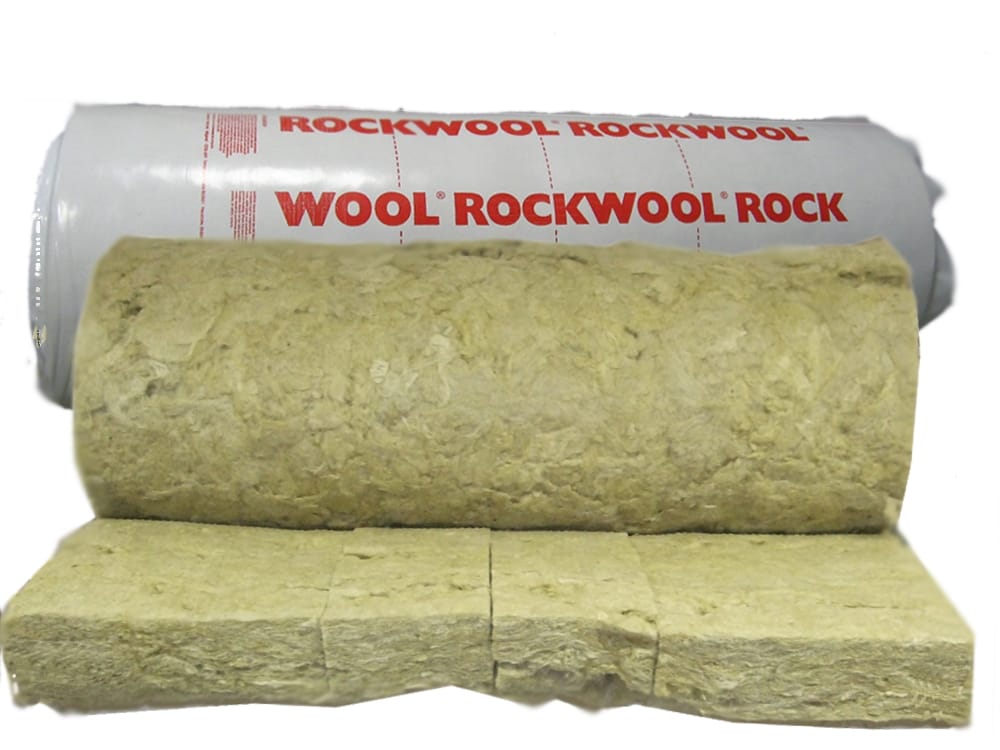
Rockwool insulation is a rock-based mineral fiber insulation made from Basalt rock and recycled slag. Basalt is a volcanic rock that is naturally made by the Earth. Think Hawaiian islands. Slag is a by-product of this steel and copper industry. Believe Pittsburgh Steelers. We are in the Burgh — couldn’t withstand a Steelers reference. These fibers are subsequently forced into batts which slide between studs or joists.

If you’re wondering, between 16% to 40 percent of Rockwool is made from pre-consumer poisonous material. Let’s get into the 3 reasons my wife and I chose this kind of insulation.

Soundproofing

Research Google and you will find Rockwool insulation normally gets voted among the best options for soundproofing. It helps with both low and higher frequency sounds. Quick storyback in school my first dorm was below a helicopter pad near the local hospital. Between that and ambulances it was a rough first session.

Bottom line:

If you’d like better sleep and live in a noisy area then Rockwool could help. Sure, you are going to have to eliminate the existing drywall or plaster. But installing Rockwool is simple and quick.

Moisture

This is really important in bathrooms because a certain amount of water vapor gets into the walls while you’re showering. We learned this quite a while ago while attending a Schluter course on KERDI-BOARD.

Provided that the speed of water vapor infiltration is lower compared to the rate of evaporation the stud wall ought to be okay. Fiberglass insulation on the other hand will eliminate R-Value over time when exposed to water vapor.

Rockwool insulation is moisture resistant nevertheless vapor permeable. If it becomes damp or moist, the insulation (when dried out) will maintain the original performance attributes.

What’s more, stone wool insulation does’t wick water. Any water that contacts the outer surface will drain and never be absorbed into the body of their insulation.

Fire Resistant

Mineral wool withstands intense heat better than other kinds of insulation. In a fire, the batts keep their shape and offer better protection against fire spread. And you builders could want to learn that when they’re combined with specific fire-rated sheathing, mineral wool batts can be used to make a one-hour-fire-rated assembly without any extra labor.

Price and availability

On a square-foot foundation, mineral wool batts cost more than fiberglass batts. As an example, the R-15 mineral wool costs about 80cents per sq. ft. vs. 60cents for fiberglass. Be aware, however, that you may have to special-order mineral wool batts. We used Roxul r worth insulation batts.